Prototype Development
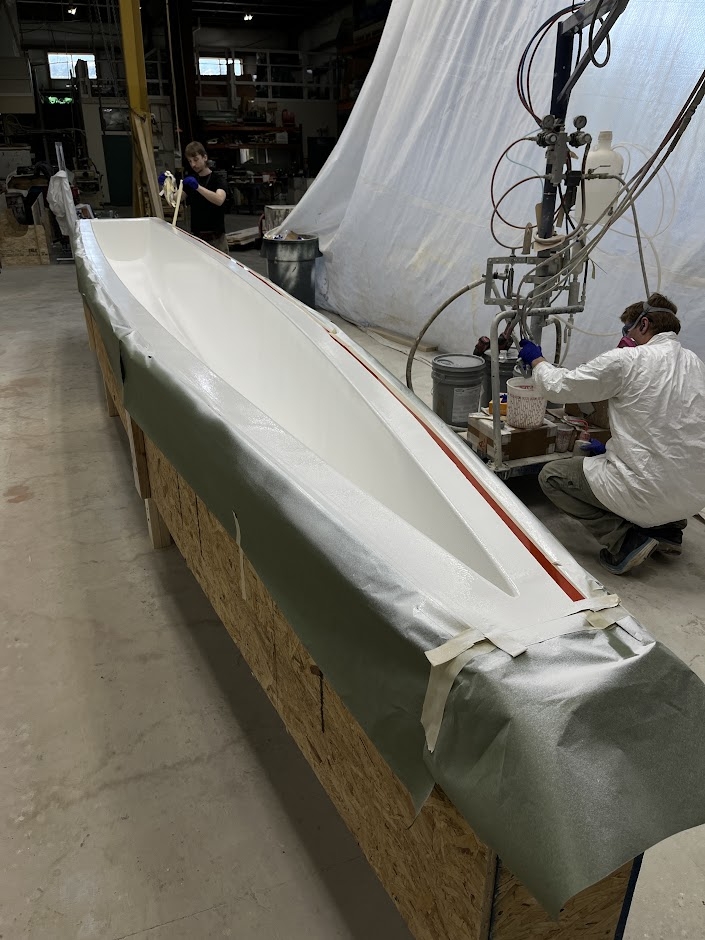
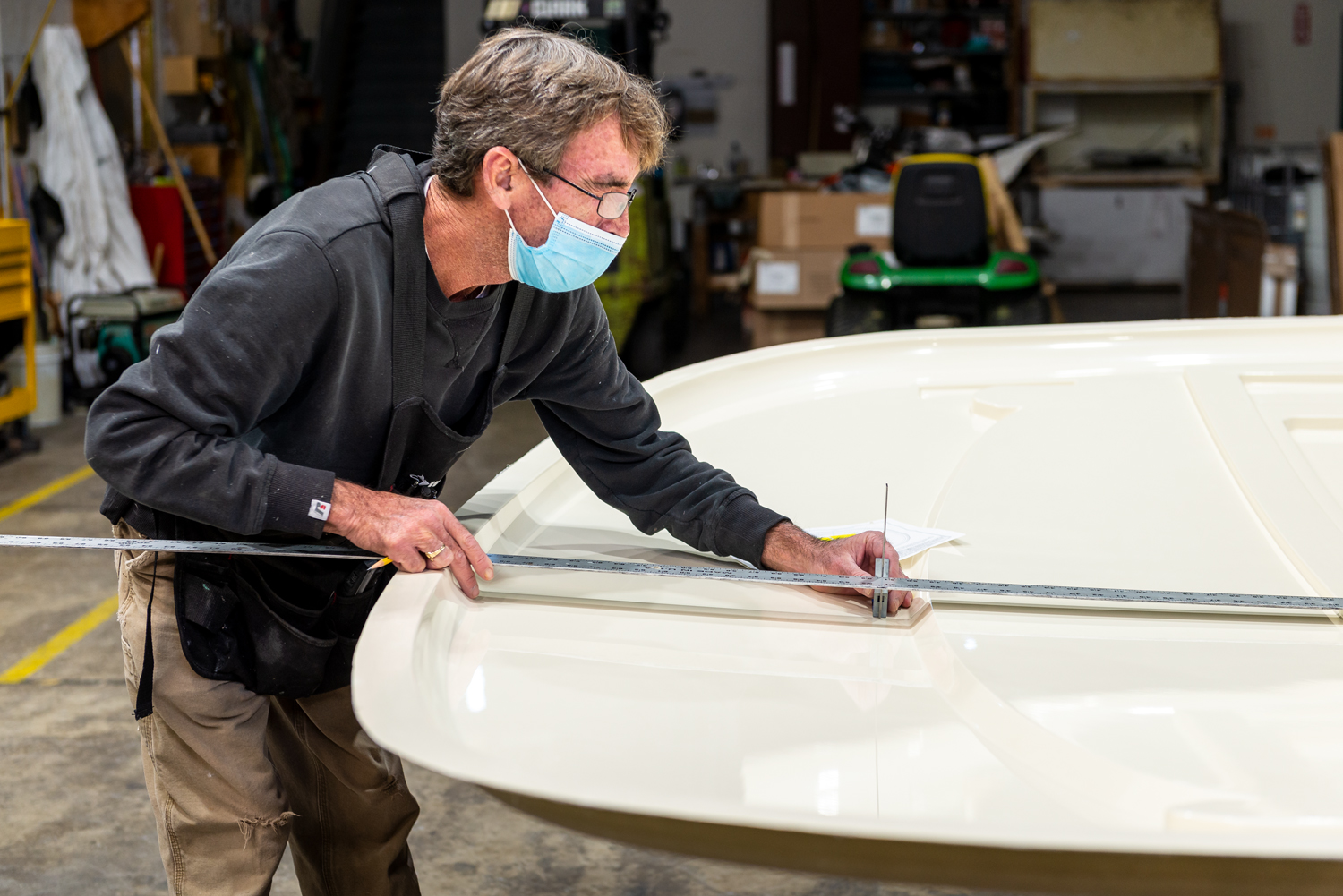
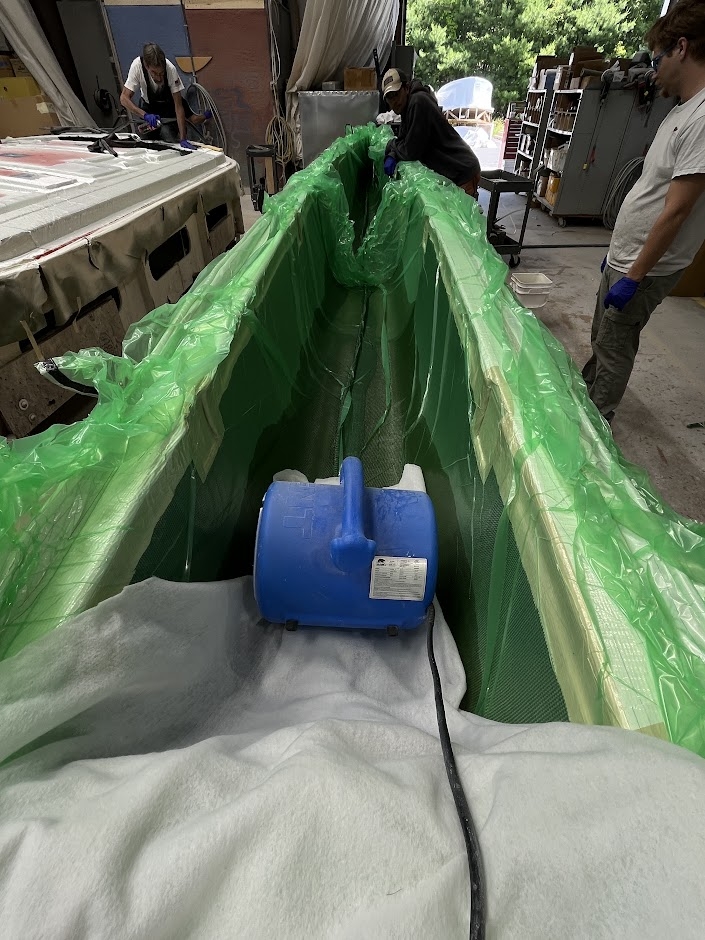
Composite prototype development is the process of building an early, functional version of a part to validate design, fit, and performance before committing to production tooling. A good prototype catches design issues while they’re still cheap to fix — before hard tooling, before a production run, before a problem shows up in the field.
CCTI has built prototypes across an unusually wide range of applications, from carbon fiber tooling for flying car programs out of MIT, to structural components for renewable energy research.That range means we’re comfortable with the ambiguity of early-stage development: incomplete drawings, evolving requirements, and tight timelines are the norm, not the exception, in prototype work.
What Makes a Strong Prototyping Partner
- Comfort with early-stage, evolving designs — we work from concept sketches and partial CAD as readily as finished drawings
- Engineering input on manufacturability — we flag design issues that would create problems at production scale, before you find out the hard way
- Fast turnaround — prototype builds are structured to move quickly, so you can test and iterate without long lead times
- Direct path to production — a prototype built at CCTI can move straight into tooling fabrication and semi-production with the same team, no handoff required
From Prototype to Production
A prototype is the first step in a story. Once your design is validated, CCTI can move directly into tooling fabrication and semi-production, keeping your program with the same engineering and fabrication team from first concept to full production run.
FAQ
What is a composite prototype used for?
A composite prototype is a functional, early-build version of a part used to validate design, fit, weight, and performance before investing in production tooling or a full manufacturing run — catching design problems early, when they’re least expensive to fix.
How is prototype development different from custom part fabrication?
Prototype development is focused on testing and validating a design, often working from incomplete or evolving specifications, while custom part fabrication typically builds a final, production-intent part to a fixed spec. CCTI offers both — see Custom Parts.
Can CCTI build a composite prototype without existing tooling?
Yes. Many prototypes are built using low-cost or temporary tooling methods appropriate for a single build or small test batch, avoiding the cost of full production tooling until the design is validated.
How fast can a composite prototype be built?
Turnaround depends on part complexity and whether new tooling is needed, but prototype builds are typically prioritized for speed relative to production runs. Contact CCTI with your design and timeline for a specific estimate.